Comprehending the Relevance of Aluminum Spreading in Modern Production Processes
Light weight aluminum casting has emerged as an essential component in modern manufacturing. Its resilient and light-weight nature adds greatly to various sectors, from automotive to electronic devices. In enhancement, innovations in casting techniques enhance production efficiency and high quality. As makers look for ingenious options, the duty of light weight aluminum spreading in sustainability ends up being significantly significant. This conversation will explore the complex relevance of aluminum casting and its effects for the future of production. What lies in advance in this advancing landscape?
The Benefits of Aluminum Casting in Manufacturing
Light weight aluminum casting deals many advantages that improve its appeal in modern production procedures. One significant benefit is its lightweight nature, which leads to reduced power intake and boosted fuel efficiency in transport applications. In addition, light weight aluminum's outstanding corrosion resistance expands the life-span of actors products, making them more sturdy in numerous atmospheres. The material additionally promotes intricate geometries and intricate styles, allowing suppliers to produce components that fulfill exact specifications.
Additionally, aluminum spreading flaunts a relatively reduced melting point, which conserves power during the manufacturing process. This feature likewise enables fast cycle times, increasing total productivity. Moreover, the recyclability of light weight aluminum adds to sustainability initiatives, as recycled light weight aluminum needs considerably much less energy to procedure contrasted to main light weight aluminum. Jointly, these benefits position light weight aluminum spreading as a necessary technique in contemporary production, accommodating the demands for effectiveness, efficiency, and environmental obligation.
Applications of Aluminum Casting Throughout Industries
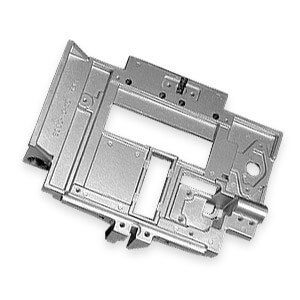
While various products are employed in manufacturing, light weight aluminum casting has come to be a critical approach across several sectors due to its adaptability and functionality. This process is extensively made use of in the auto market for generating lightweight engine blocks, transmission situations, and numerous components that improve gas efficiency. In the aerospace industry, light weight aluminum spreading is important for developing intricate parts that need high strength-to-weight proportions, adding to enhanced airplane efficiency.
The electronics industry counts on light weight aluminum spreadings for warm sinks and housings, where thermal administration is important for device longevity. The construction sector additionally profits from light weight aluminum casting in the form of architectural parts and architectural aspects that integrate aesthetic appeal with resilience. Furthermore, the consumer items industry makes use of light weight aluminum castings for kitchenware and showing off tools, leveraging the material's excellent deterioration resistance and visual finish. In general, aluminum spreading acts as a keystone in modern-day manufacturing, sustaining varied applications across various areas.
The Function of Aluminum Spreading in Sustainability
Sustainability has become a focal factor in producing practices, and light weight aluminum casting plays an important role in advertising ecologically pleasant options. The process of light weight aluminum casting is naturally sustainable as a result of the material's recyclability. Light weight aluminum can be recycled numerous times without losing its residential properties, substantially minimizing energy intake and resources requirements. This reusing procedure takes in just about 5% of the power required for key aluminum production, leading to a significant reduction in carbon discharges.
In addition, aluminum casting promotes the manufacturing of lightweight parts, which contribute to energy performance in numerous applications, particularly in the vehicle and aerospace markets. Lighter lorries eat less fuel, further minimizing environmental influence. In addition, innovations in casting strategies are enhancing material utilization, decreasing waste in producing processes. As markets seek to line up with sustainability objectives, light weight aluminum spreading becomes a viable service, supporting a round economy and fostering responsible production practices
Technological Advancements in Aluminum Spreading Techniques
As sectors advance, the fostering of cutting-edge modern technologies in light weight aluminum casting methods has transformed manufacturing procedures. The assimilation of computer-aided layout (CAD) and computer-aided production (CAMERA) systems improves precision and efficiency, enabling intricate geometries that were formerly testing to generate. Advanced melting and spreading techniques, such as die casting and financial investment spreading, have actually enhanced the high quality of light weight aluminum components, minimizing and lessening flaws official website waste. The intro of automated systems and robotics in casting procedures has streamlined workflows and raised performance. These innovations likewise enable real-time surveillance and data analytics, facilitating far better decision-making and quality assurance. Additionally, the growth of new alloys and warmth treatment processes has increased the performance capacities of actors aluminum products. Jointly, these technological advancements not just optimize production performance however additionally contribute to the sustainability of light weight aluminum casting in contemporary production.
Future Patterns in Light Weight Aluminum Spreading and Its Effect On Innovation
Emerging fads in aluminum casting are positioned to reshape the production landscape, driving technology across numerous sectors. One considerable trend is the combination of innovative automation and robotics, which enhances precision and performance in production processes. In addition, the rise of additive production strategies is enabling a lot more complex layouts, decreasing product waste and manufacturing time. As sustainability becomes a concern, the sector's concentrate on recycling aluminum and using eco-friendly methods is expected to grow, lining up with international environmental goals.
The advancement of smart casting technologies, including real-time tracking and data analytics, is set to enhance high quality control and operational performance. These innovations will facilitate the manufacturing of lighter, stronger, and much more resilient light weight aluminum elements, catering to markets such as automobile and aerospace. Inevitably, these trends will not just enhance making procedures yet additionally influence new applications of aluminum spreading, cultivating a culture of innovation and adaptability on the market.
Frequently Asked Inquiries
What Is the Background of Light Weight Aluminum Spreading in Production?

Just How Does Light Weight Aluminum Spreading Contrast to Various Other Metals?
Light weight aluminum casting deals advantages such as lightweight residential properties and rust resistance compared to various other steels. Aluminum Foundry. It promotes complicated shapes and boosts energy performance, making it a favored choice in numerous manufacturing applications over heavier choices like steel or iron
What Are the Usual Flaws in Aluminum Casting?
Usual flaws in aluminum spreading include porosity, shrinkage, misruns, and incorporations. These problems can arise from incorrect pouring strategies, insufficient mold layout, or infected materials, bring about decreased architectural integrity and efficiency of the end product.
How Is the High Quality of Aluminum Castings Tested?
The top quality of aluminum castings is checked through techniques such as aesthetic inspections, dimensional measurements, non-destructive screening techniques, and mechanical home analyses, guaranteeing that they satisfy defined standards for efficiency and my site architectural stability.

What Are the Precaution in Aluminum Spreading Processes?
Security measures in light weight aluminum spreading procedures consist of the usage of individual protective equipment, proper air flow systems, routine devices upkeep, training workers on dangers, and implementing stringent emergency situation methods to reduce dangers linked with high temperatures and liquified metal.
The recyclability of light weight aluminum adds to sustainability initiatives, as recycled light weight aluminum requires significantly less energy to process compared to key light weight aluminum. While various materials are utilized in production, light weight aluminum spreading has actually become a critical technique throughout numerous sectors due to its flexibility and performance. Advanced melting and spreading approaches, such as die spreading and financial investment spreading, have improved the high quality of aluminum parts, decreasing defects and decreasing waste. Arising patterns in light weight aluminum spreading are positioned to improve the manufacturing landscape, driving innovation across different fields. Light weight aluminum spreading has developed because the late 19th century, initially creating with the introduction of aluminum as a lightweight metal.